Sean Schofer, Extreme Storm Chaser, Reminds Motorists, ‘Don’t Ignore the Weather Warnings.’
InstantWeather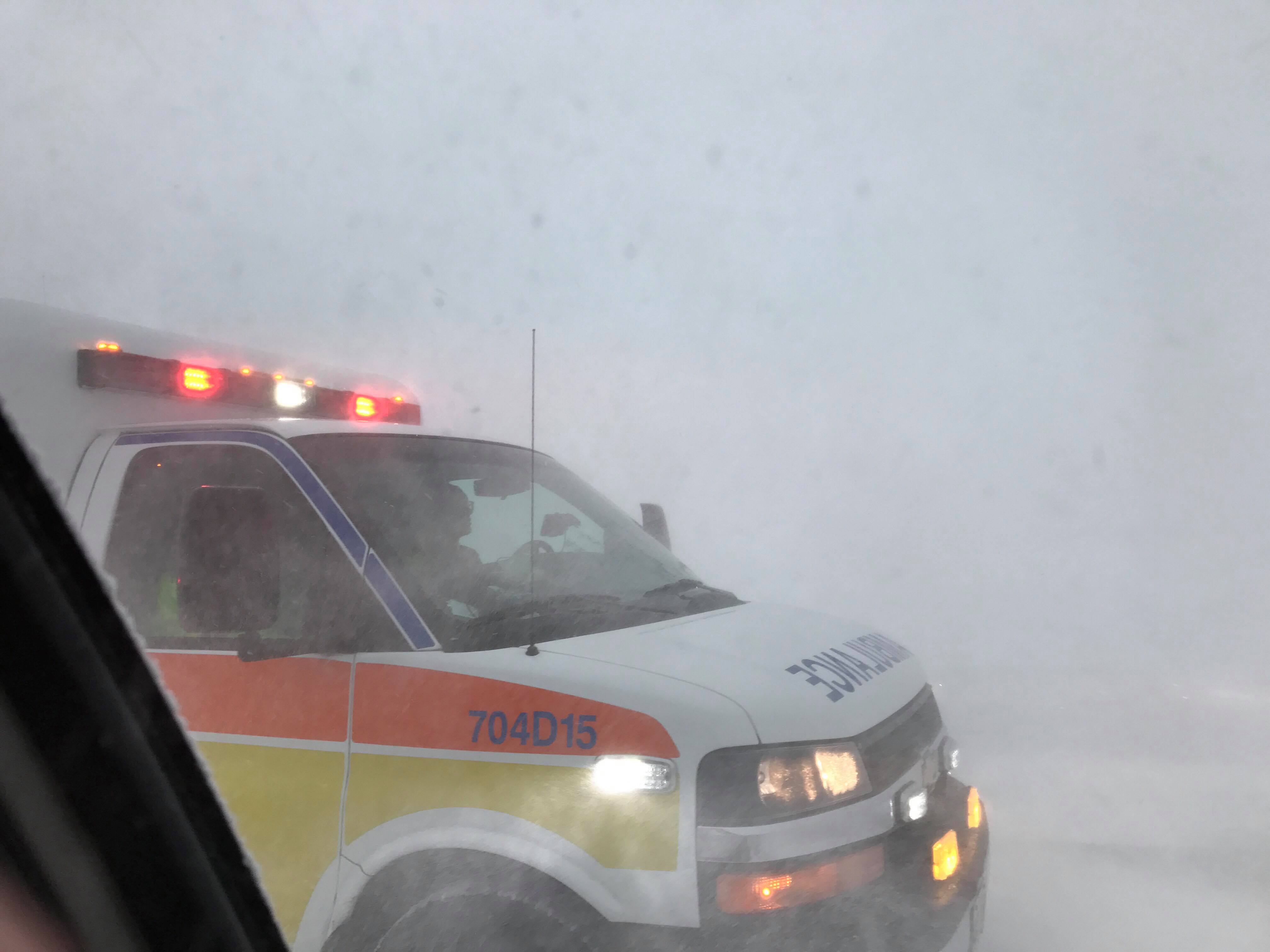
(Photo Credit: Sean Schofer, Somewhere on Hwy 1 during the March, 2017 Blizzard.)
Previously published, October, 2017. *With the impending snow heading for the Prairie Provinces this weekend, we felt this was a good reminder for motorists to be cautious when traveling during adverse weather conditions.
Extreme Storm Chaser, Sean Schofer is no stranger to Mother Nature’s fury, but even for him, the blizzard on March 6, 2017, near Alexander, Manitoba reminded him just how quickly weather conditions can change.
An intense low pressure positioned over Southwestern Manitoba had started pounding the region around 4 p.m. on the 6th and continued through the 7th with high winds and blinding snow. According to Environment Canada records, within that 48 hour period, Brandon, Manitoba (the closest city to Alexander) had received well over 36 cms of snow, combined with rain and wind gusts ranging from 85-95 kms in the most intense part of the storm.
Schofer and his family were returning from a family road trip to the United States and recall that day in particular, “ I remember the forecast for that day they were calling for extreme blizzard conditions with large amounts of snow and very high winds. I was aware of the conditions as I drove back from Columbus, Ohio.”
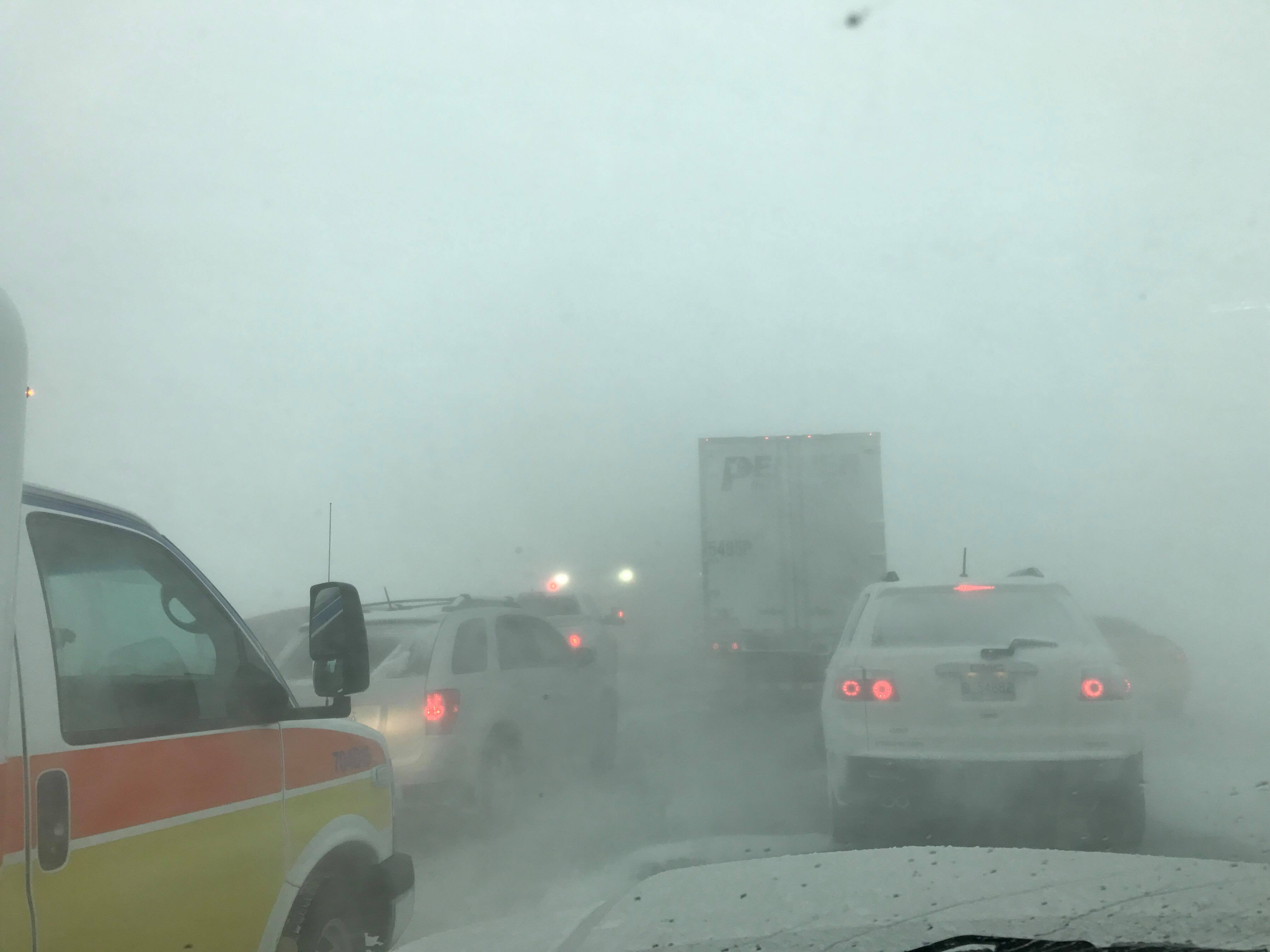
(Photo Credit: Sean Schofer)
Schofer is most well known for taking calculated risks during tornado season, chasing storms throughout Canada and the United States with the Prairie Storm Chasers in an armoured storm chasing vehicle called the Dominator 3. However, when it comes to road conditions in the winter, he makes it a rule to take the utmost precaution driving on prairie highways.
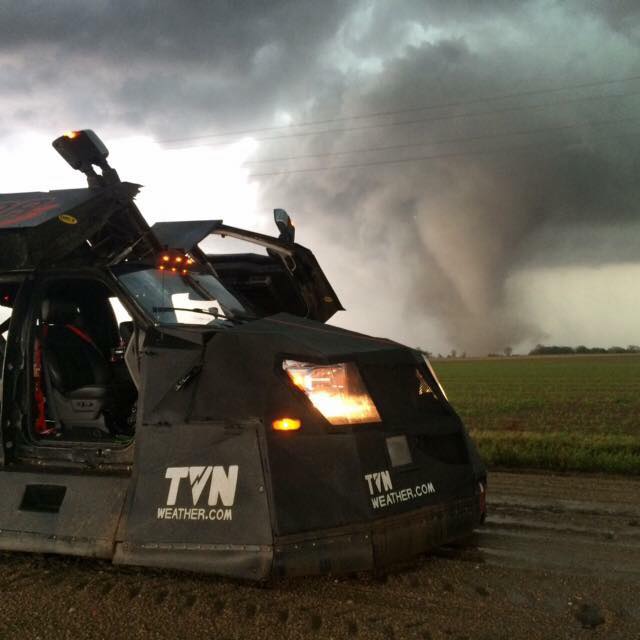
- (Photo Credit: Sean Schofer, The Dominator 3, armoured tornado chasing vehicle.)*
“When I got to Brandon, Manitoba (MB), I was going to stay there for the night to wait out the upcoming blizzard. The conditions seemed okay at that point so I decided to push it a half hour further to make it to Virden, MB. and stay there for the night. Well as it turned out that was a mistake and I should have stuck with my first plan.”
What soon became clear, was how completely unprepared he was for the conditions ahead.
He recalls, “We were about 25 kms west of Brandon, MB. before the conditions changed drastically. It went from perfect conditions, to rain, to freezing rain, then to snow and winds with zero visibility all in a matter of just a minute or two.”
At approximately 5 p.m. the RCMP officially closed the highway to motorists. Rain mixed with snow, and intense wind gusts had sent semi trailers trucks skidding into ditches and multiple vehicles struggling to maintain traction.
According to The Weather Channel, here are some key points for surviving a blizzard: Always ensure your tailpipe is clear of snow and ice to reduce carbon monoxide poisoning. If you know you are unable to drive anywhere it is best to stay in your vehicle. Turn your car on approximately 15 minutes for every hour, just enough to warm the interior and to conserve gas. Make sure before winter travel you are prepared with plenty of gas, water and emergency blankets for all members of your family. If possible, turn on your hazard lights or set out flairs if on a blocked highway. This will ensure you are visible to rescuers but it also reduces your chances of being struck by another vehicle.
“It was extremely cold that night with the high wind chills. We kept warm by putting layers of clothes. Luckily we started with a full tank of fuel but we still had to ration our fuel so I would start the vehicle up for 15 minutes every hour. “
As temperatures drop at night in a survival situation, the idea of getting hypothermia becomes more of a concern. According to the Mayo Clinic, Hypothermia is a medical emergency that occurs when your body loses heat faster than it can produce heat, causing a dangerously low body temperature. Normal body temperature is around 98.6 F (37 C). Hypothermia occurs as your body temperature falls below 95 F (35 C).
Some symptoms you should closely monitor when put in this situation are: shivering, slurred speech, slow and/or shallow breathing, weak pulse, lack of coordination, drowsiness, confusion, memory loss and loss of consciousness.
For Sean and his family, this was the greatest concern, “ My main concern was to try to keep warm so we wouldn’t die of hypothermia. Running out of fuel was another concern.”
The following morning, word got out the Whitehead Fire Department would be dispatched on snowmobiles to try to rescue stranded motorists. By that time it had been well over 18 hours since the highway had been shut.
Schofer reminisces, “The Whitehead Fire Department came in on snowmobiles the next day with fuel and blankets. The road was cleared just enough to turn around to go to the nearby town of Alexander where they opened up the school gymnasium for everybody to stay in for another night until the highways we opened.”
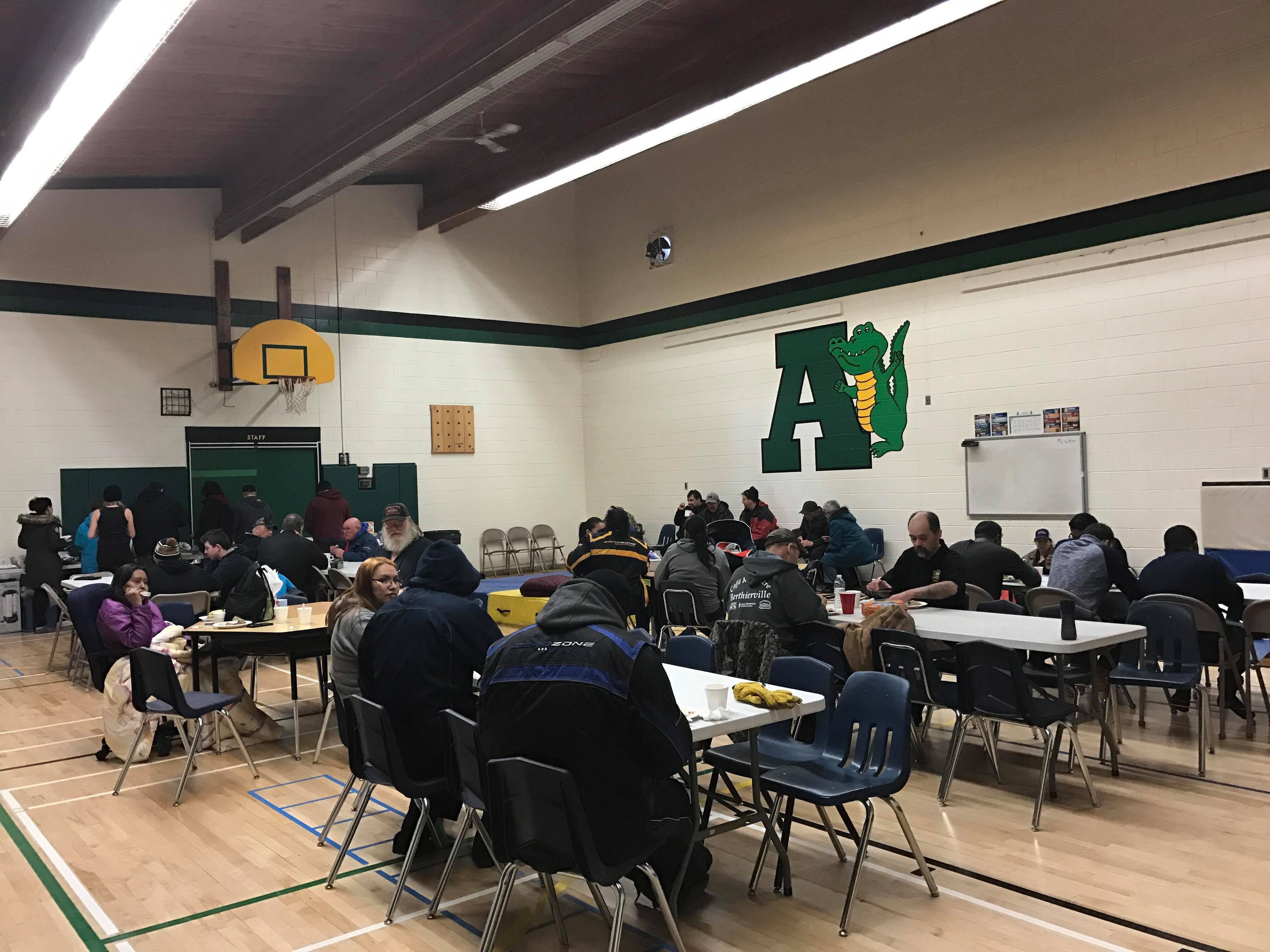
(Photo Credit: Sean Schofer. Sean and his family take refuge in the local Alexander School gymnasium.)
Almost a year to the day since this incident, Sean has a newfound respect for how quickly highway conditions can fluctuate and change during a blizzard. Luckily, he always carries a winter emergency kit which includes layers of clothes, boots, shovels, cell phone, charger, flashlight, gloves, hats, matches and candles.
Experts warn, if you are caught in an emergency situation where you are left stranded on the highway, it is strongly recommended you do not leave your vehicle. When you are in your car, you are out of the elements such as wind and blasting snow. If you leave your vehicle to seek help, often you may become disoriented in your surroundings and quickly realize you cannot find your way back to your vehicle, running the risk of hypothermia or being hit by another vehicle.
As Sean reflects on his experience, he reminds us that even extreme storm chasers are not invincible to the harsh conditions of a Canadian winter, “Don’t ignore the weather warnings. You’re better off just staying where you are because it’s just not worth it. I knew better but still decided to push it for just a half hour more and it was a huge mistake.”
(IWC- Suzanne P.)
Writer's Note: We do not encourage anyone to take up the hobby of extreme storm chasing. It is extremely dangerous as conditions can change very quickly and leave you with no escape plan. Sean Schofer and his team are professional storm chasers, who have years of knowledge and experience.
References:
Special thanks to: Sean Schofer for sharing his experiences of the Alexander, Manitoba Blizzard, March 6, 2017. Photos: Courtesy of Sean Schofer. You may not copy, use or distribute these pictures or videos without permission from the owner, Sean Schofer.
https://www.mayoclinic.org/diseases-conditions/hypothermia/symptoms-causes/syc-20352682 https://weather.com/safety/winter/news/blizzard-survival-tips https://www.huffingtonpost.com/matthew-stein/blizzard-survival-tips_b_2647650.html http://www.cbc.ca/news/canada/manitoba/winter-weather-drivers-stranded-1.4012916 https://www.theweathernetwork.com/news/articles/storm-chaser-stranded-overnight-in-blizzard-his-story-here/80094