Alberta Breaks Tornado Record as Saskatchewan Nears Its Own in Active 2026 Season
/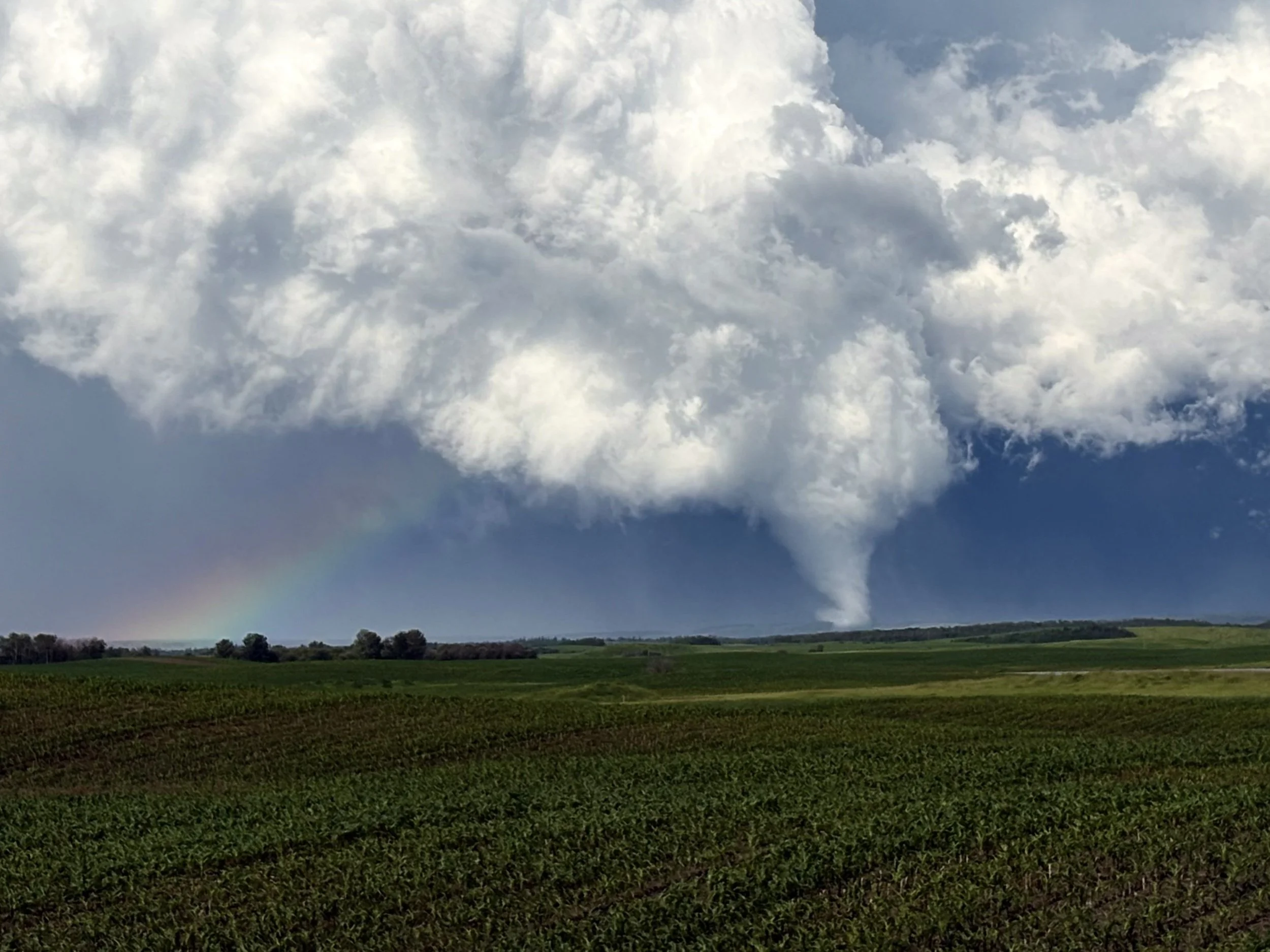
Ben chernesky’s photo of the EF3 TORNADO in Tulliby Lake, aB on july 11th
If it felt like an awful lot of tornadoes occurred in our region over the 2026 storm season, and that's because there were! With the recent announcement by the Northern Tornadoes Project of a confirmed landspout tornado on August 30th, Alberta has now reached a record 31 tornadoes for the 2026 season.
The previous record for Alberta occurred in 1982 when 30 tornadoes were confirmed. With an annual average of 13 tornadoes, Alberta has now more than doubled its typical count in 2026. This record would come as no surprise to those living in Alberta, who have experienced numerous severe storm events this season. Some areas such as Edmonton also received near-record rainfall throughout the summer. Satellite review continues for the province as well, so it's possible even more tornadoes will be confirmed.
While Alberta set a new provincial record, Saskatchewan currently takes the crown for the most confirmed tornadoes in 2026, so far. The province currently stands at 39 for the season; just 2 shy of the record 41 that was set in 1999. With satellite reviews being conducted in more forested regions of the province by the Northern Tornadoes Project, it’s possible this record will also be broken.
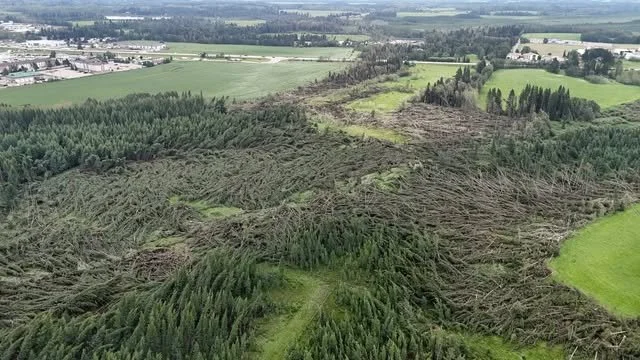
ntp DRONe Photo from ef3 tornado in Rossburn, MB on June 28th
Why Has This Season Been So Active?
The 2026 storm season has definitely been an extremely active one. Tornadoes require specific atmospheric ingredients to form. So why has this season been so active across the Prairies?
1. Heat and Moisture Availability
Storms require a moist environment to form, providing the ingredients needed to form supercells. As warm, moist air builds at the surface, it rapidly rises to replace dry or cooler air aloft, creating strong atmospheric instability. Instability is rocket fuel for tornado development.
2. Wind Shear
The jet stream and persistent low-pressure systems across the Prairies this season have provided substantial wind shear. With winds moving one direction at the surface and another direction aloft, horizontal rotation can then be tilted vertically by updrafts, creating prime conditions for tornado formation.
When these ingredients are combined with a very active low-pressure storm track, you have prime conditions for tornadoes.
Notable Tornado Events in 2026
Rocky Mountain House
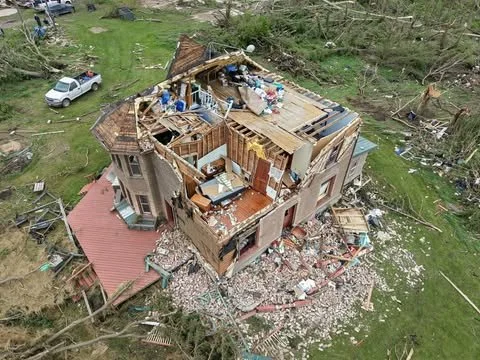
Two significant EF2 tornadoes struck near Rocky Mountain House on July 18th. Thankfully, no injuries were reported, but numerous properties and buildings were severely damaged.
ntp drone photo of EF2 tornado damage near rocky mountain house on July 18th
July 10th - 11th Tornado Outbreak in Saskatchewan
An astonishing 18 tornadoes occurred over the span of two days in Saskatchewan in July. With 11 tornadoes confirmed on July 10th, this set a new record single-day tornado count for the province. Fortunately, most of the tornadoes were relatively weak. However, sporadic pockets of localized damage were reported.
Could the 2027 Season Be Just as Active?
It is much too early to know if the 2027 season will be as active as 2026. One thing we do know is it's always better to be educated and prepared on how to safely navigate through a tornado season. As we’ve said at Instant Weather since we started in 2013; be prepared, not scared!
With the introduction of polygon-based storm warnings by Environment Canada this season, along with rotation notifications and real-time funnel cloud reports via our free Instant Weather app, your ability to stay in the know and keep your family safe during these dangerous weather events continues to improve every year.